

Services
A full range of design and engineering services to transform your vision into tangible, manufacturable products.
Types of Services
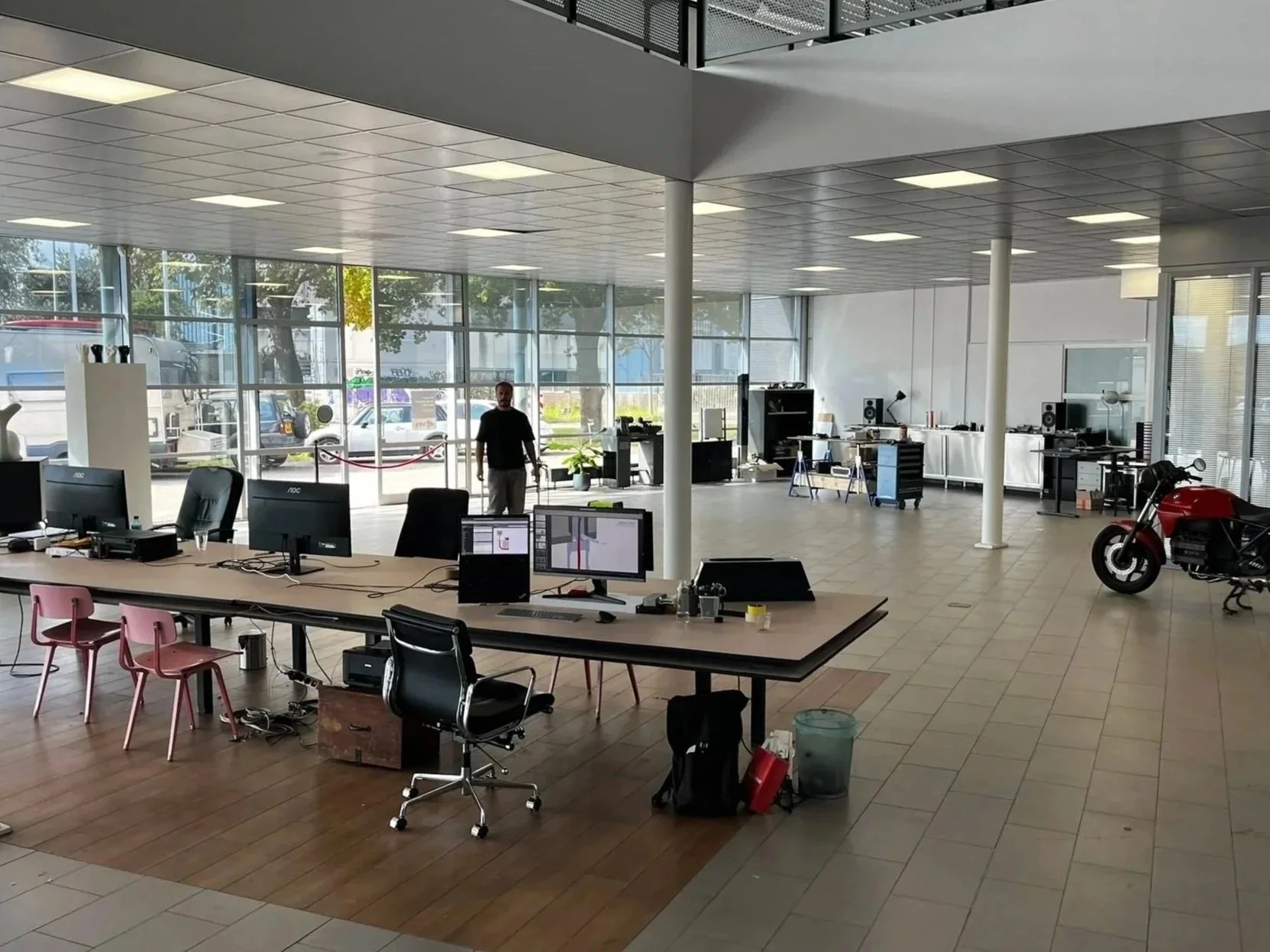
Design Studio
I work from my design studio in Amsterdam-Noord, a comfortable and fully equipped space designed for professional product development. The studio provides everything you would expect from a modern design environment and offers a relaxed yet productive setting. It is also an ideal place to meet clients, host meetings, and discuss projects in person.
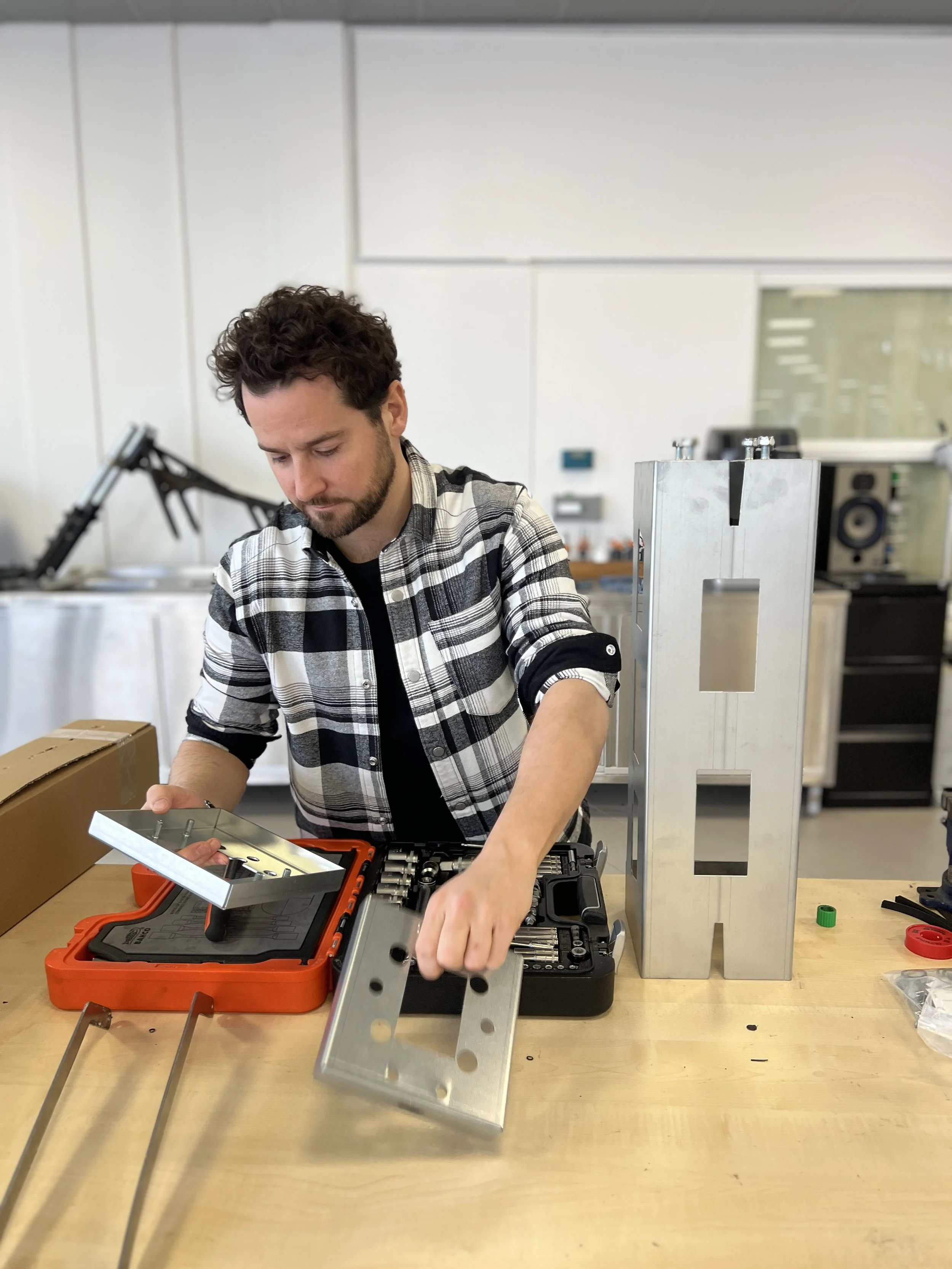
Workshop
The studio includes a dedicated workshop where ideas can quickly take shape as physical models or working prototypes. It is equipped with a wide range of tools for hands-on development, including a 3D printer, lathe, welding equipment, and more. The space also allows for production checks and small-batch assembly when needed.
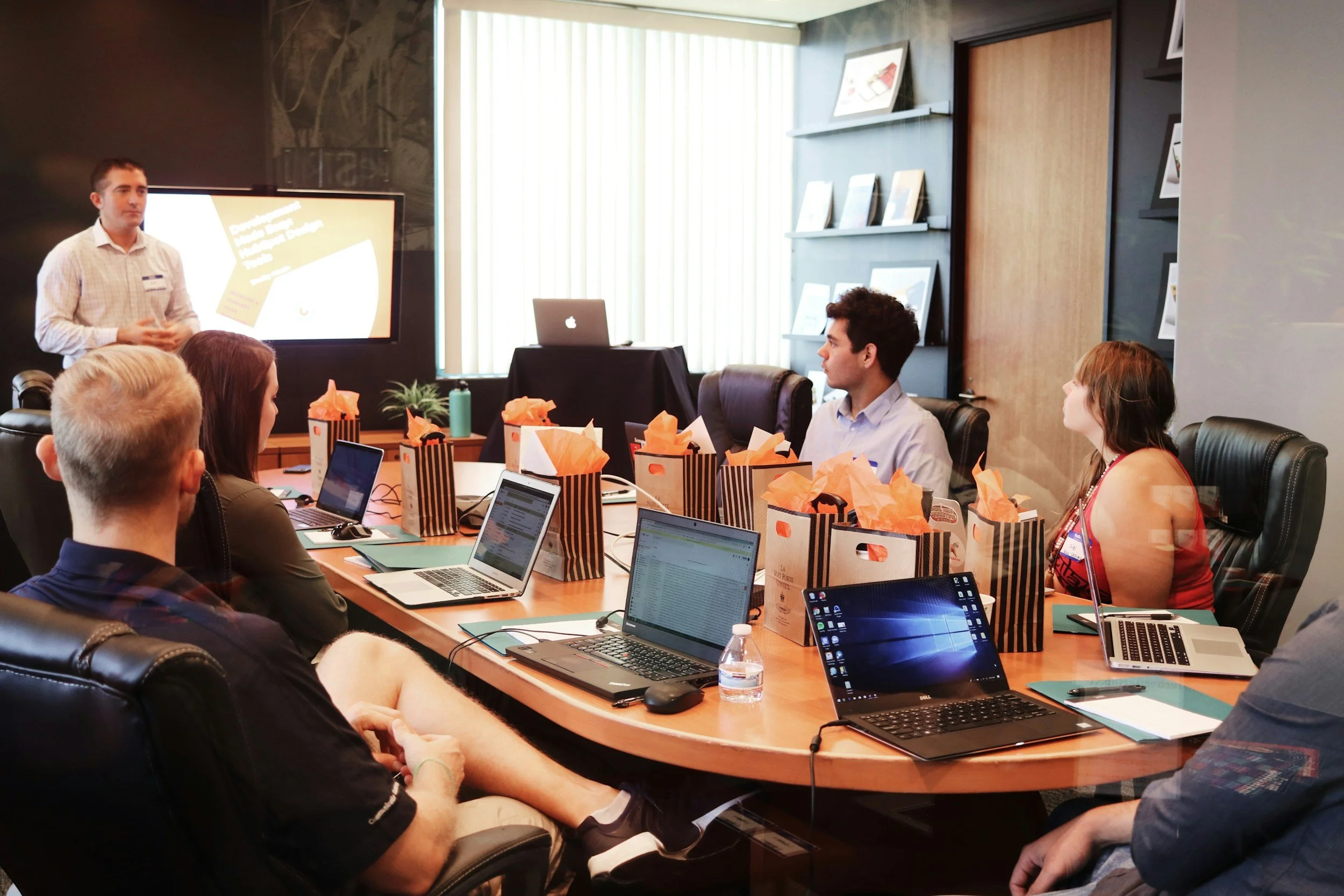
On-site
I can work on location as part of your design and engineering team, supporting any stage of the product development process. Whether you need temporary project capacity or specialized technical input, I can contribute as an interim team member or technical consultant. From early concepts to detailed engineering for molds or tooling, I help move projects forward efficiently.
I can also bring a mobile workstation with a SolidWorks license, allowing me to integrate seamlessly into your workflow.
Design Approach
My work sits at the intersection of product design and mechanical engineering. I take a very practical and pragmatic approach, quickly translating ideas into models and prototypes to test, validate, and improve concepts early in the process.
I work with an integrated product development approach, where design, engineering, manufacturing, and user requirements are considered together from the start. Combined with iterative design, this ensures that ideas are continuously tested and refined, while potential risks and technical challenges are identified and resolved early. The result is a development process that uses time as efficiently as possible while maintaining a high level of quality and reliability.
Clear communication plays an essential role throughout this process. By working closely with clients, engineers, and manufacturers, I make sure the needs and expectations of everyone involved are well understood. This collaborative way of working creates alignment and enables efficient progress from concept to production.
Design Process
Every product starts with an idea, but bringing that idea to life requires a structured development process. Below is a typical workflow that guides a product from the initial briefing to the end of production. Each phase builds upon the previous one, ensuring that the design evolves in a controlled and efficient way.
Program of Demands
The process starts with defining the project scope together with the client. In this phase we establish the requirements, constraints and objectives of the product. This includes functional requirements, technical specifications, budget, timeline, user needs and aesthetic preferences. The result is a clear framework that guides the entire design process.
Concept Formation
Based on the program of demands, multiple design directions are explored. Through sketching, quick models and early technical considerations, different solutions are developed into concept proposals. These concepts investigate possible mechanisms, forms, materials and user interactions. The goal is to identify the most promising approach before moving into deeper development.
Proof of Concept
In this phase the selected concept is validated. Critical functions or mechanisms are tested using physical mock-ups or simple prototypes. The purpose is to verify that the core idea actually works in practice. Rapid prototyping helps reveal potential challenges early, allowing improvements before significant engineering effort is invested.
Design Draft
The concept evolves into a complete product proposal. During this phase the design is translated into detailed 3D CAD models, where functionality, construction, materials and aesthetics come together. All major components and assemblies are defined, providing a clear and coherent visual of the final product.
Design Freeze
Feedback from the previous stage is integrated and the design is refined further. At this point the product reaches a design freeze, meaning the core geometry and specifications are finalized so manufacturing preparation can begin. Visualizations such as photorealistic renders can also be created for presentations, marketing or stakeholder approval. Once the design is frozen, only controlled changes are allowed to maintain stability in the development process.
Design for Manufacturing
The design is optimized for efficient and reliable production. Potential manufacturers are consulted and their feedback is incorporated to improve manufacturability, assembly and cost efficiency. This stage results in fully finalized 3D CAD models, technical 2D drawings for each component and assembly, and a detailed bill of materials (BOM). The goal is to ensure the product can be produced consistently and economically. Most of the time this phase is finalized with a prototype to do a final validation of the design.
Procurement & Production Management
Once the production documentation is complete, manufacturing can be sourced. Depending on the project, production can take place locally in the Netherlands or anywhere else in the world. I can work with preferred suppliers, or use my network of manufacturers that I collaborated with in the past.
During this phase I can assist with supplier communication, production management and quality checks. Acting as a technical contact ensures that questions during manufacturing are resolved quickly and that the final product meets the intended specifications.
A Flexible Process
No product development process is exactly the same. Some projects require the full trajectory from concept to production, while others may only need support in a specific phase such as concept development, CAD engineering or production preparation. Every product is unique, and therefore each development process is tailored to the specific needs of the project and the client.